

29 September 2025


Sustainable regional aviation
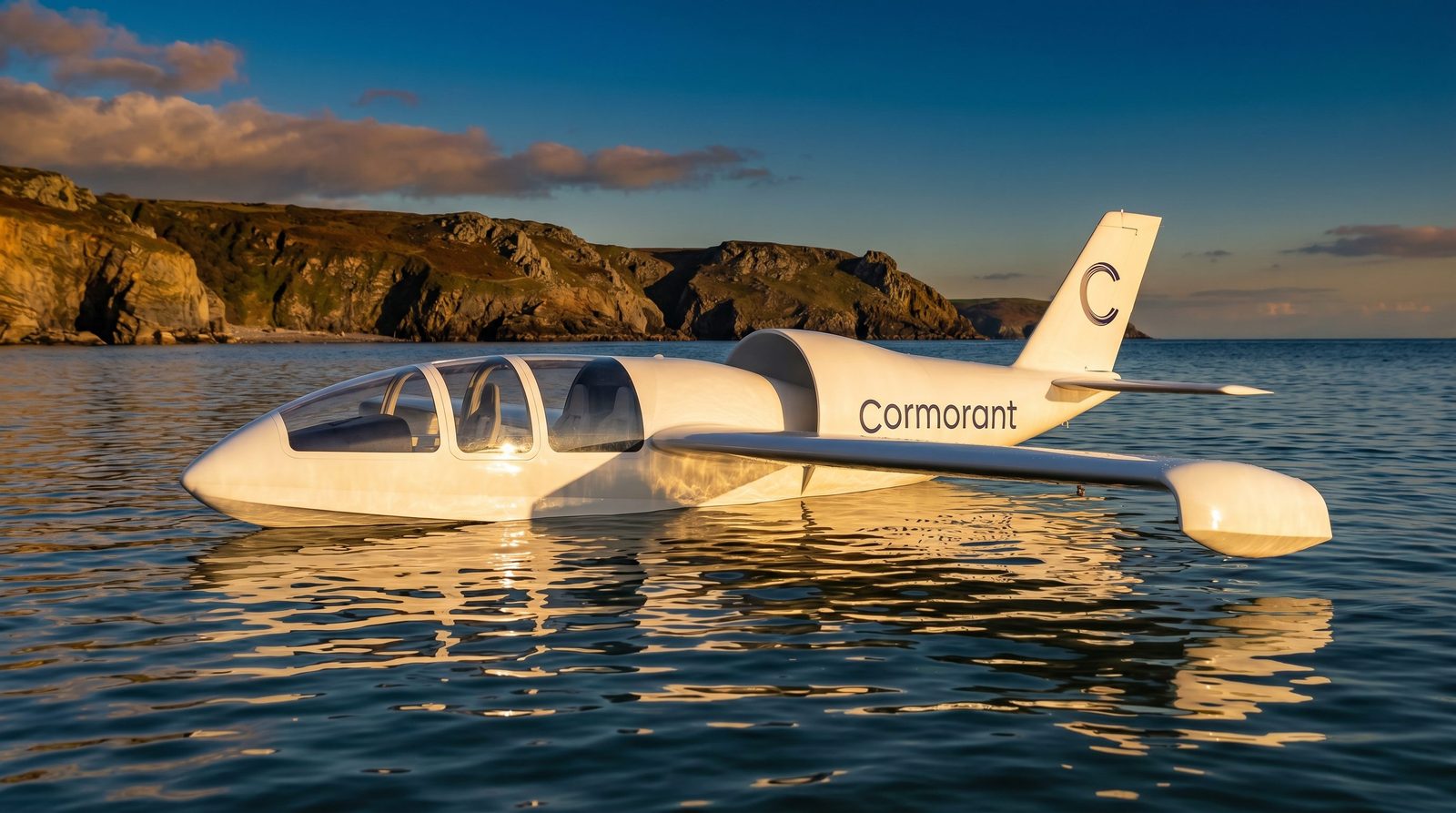
An eight-seat, SAF- and hydrogen-ready aircraft built to operate amphibiously or from land — bringing reliable, lower-carbon connectivity to Scotland’s Highlands & Islands and remote regions worldwide.
Who Cormorant serves
Residents, businesses, and visitors reliant on dependable everyday connectivity for their transport, and the distribution of goods, and service provision.
Educational, medical, or social care professionals working at remote locations and the pupils and patients they serve.
Owners or operators of lodges and activity centres seeking to enhance their connectivity and improve their on-site offerings.
The multirole Cormorant increases the capacity and capability of transport provision for a range of operators. Its adaptability and reconfigurability yield roles in passenger transport, cargo and utility operations, medevac, coastal patrol and passive defence.
Our story
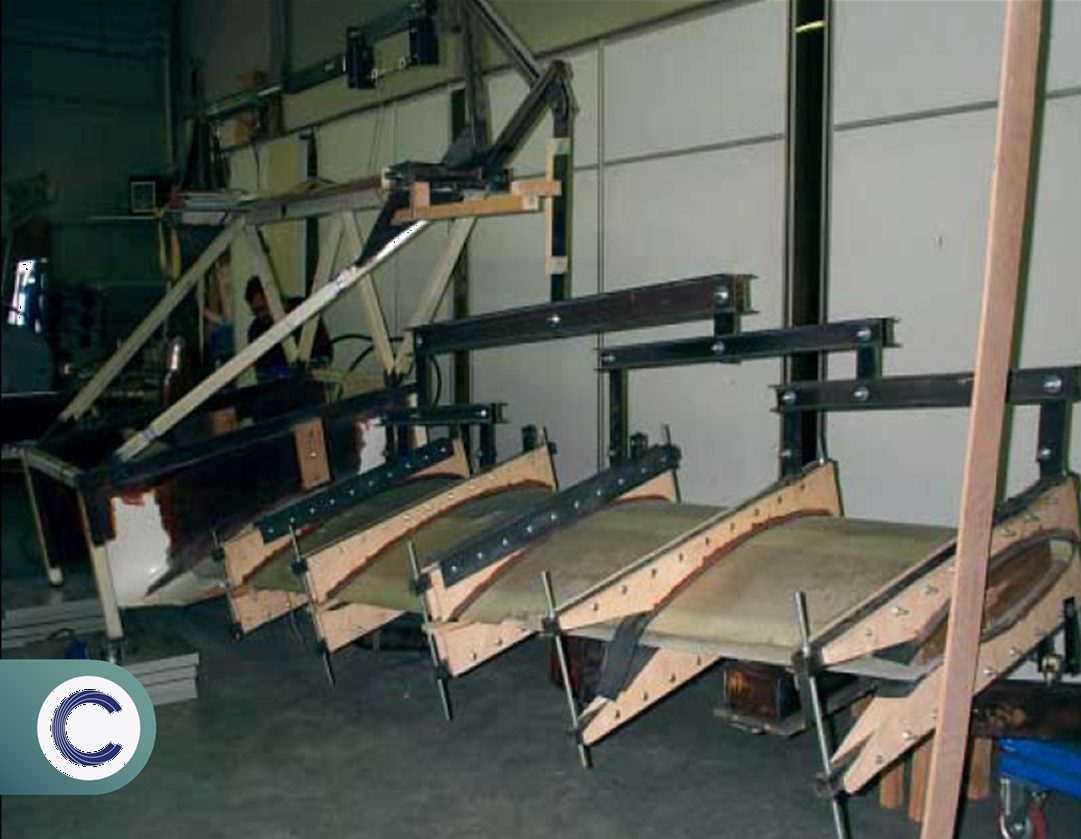
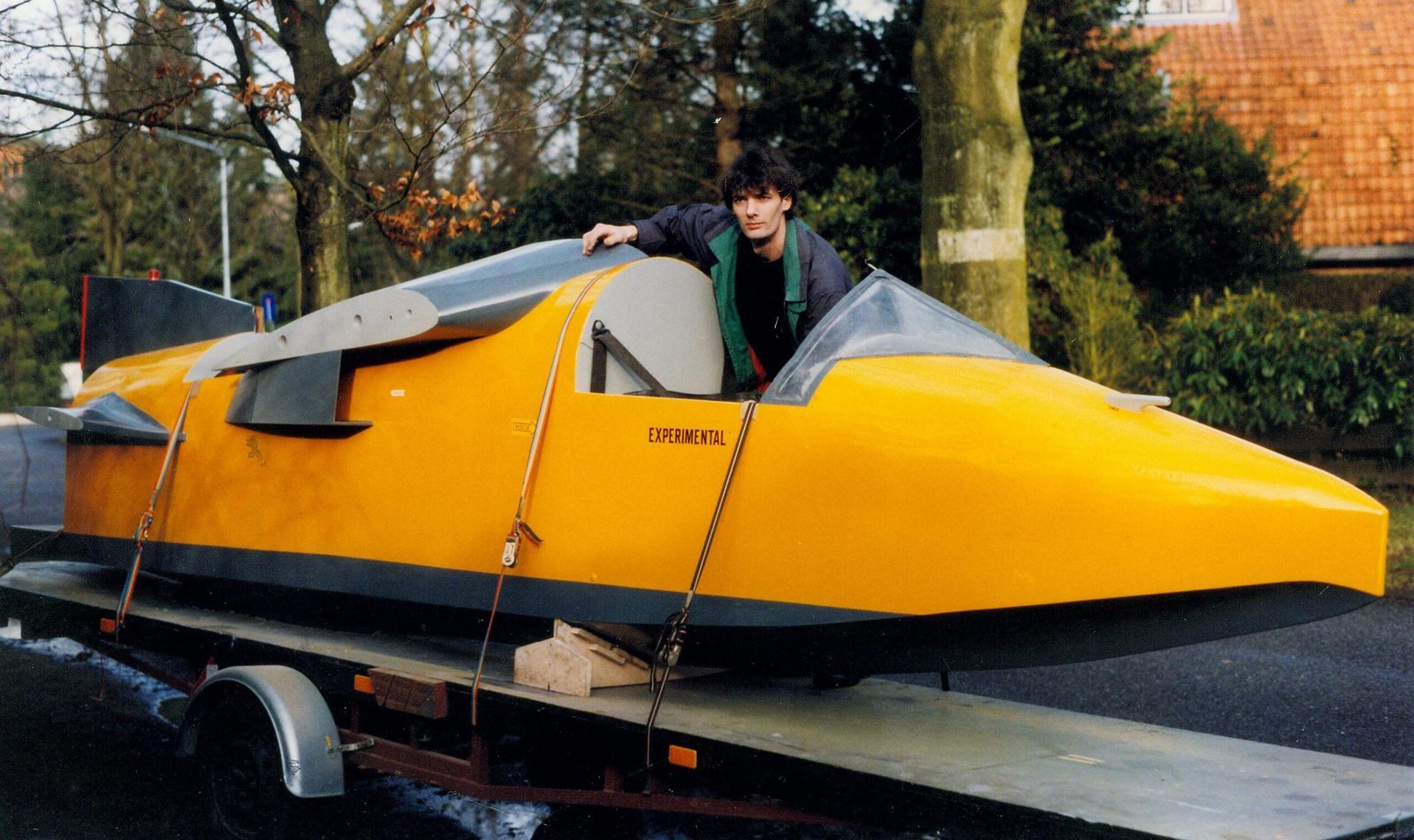
Some 20 years ago, Cormorant was born out of a clear market demand — and the ambition to overcome the fundamental limitations of existing amphibious aircraft designs.
Potential user feedback was carefully analysed, and the most critical priorities were translated into ranked design features: take-off efficiency, climb rates, minimum landing speeds, payload capacity, cabin space, maintenance costs, and pricing.
The result is a remarkably versatile, well-rounded multi-role aircraft — one that not only surpasses other designs of its class, but also outperforms many land-based competitors of similar size and payload.
From concept to prototype
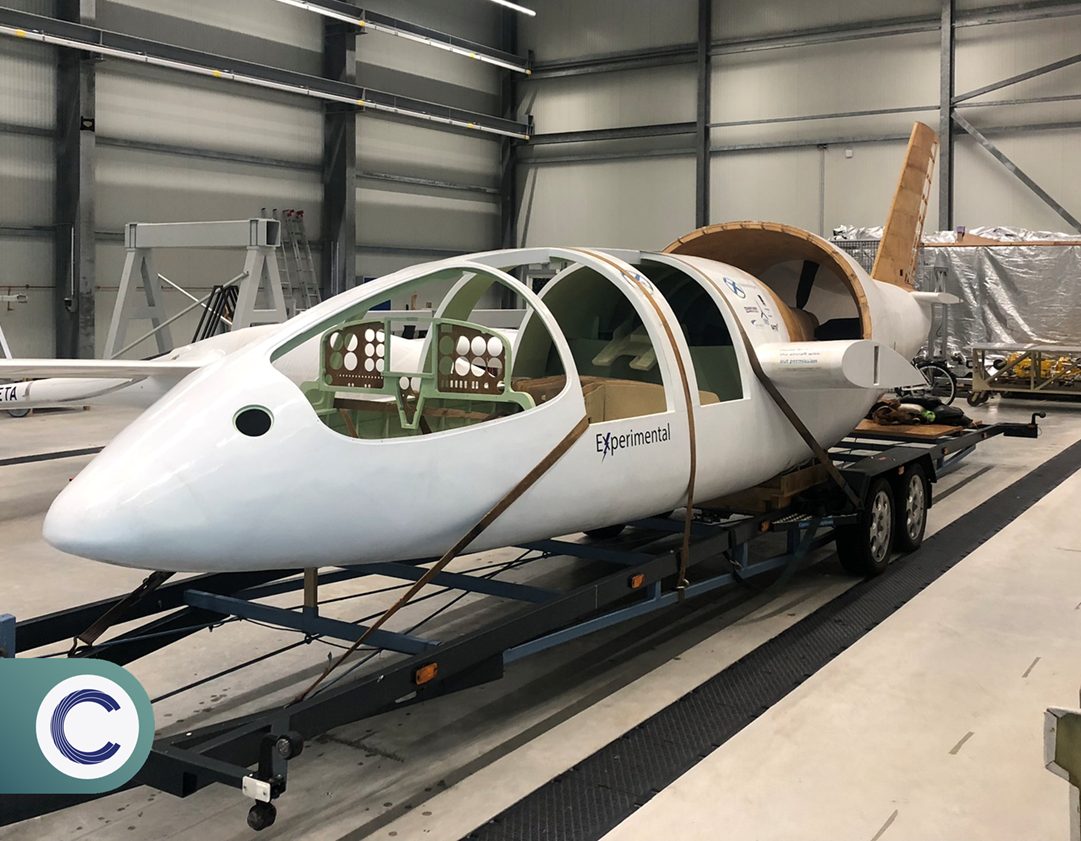
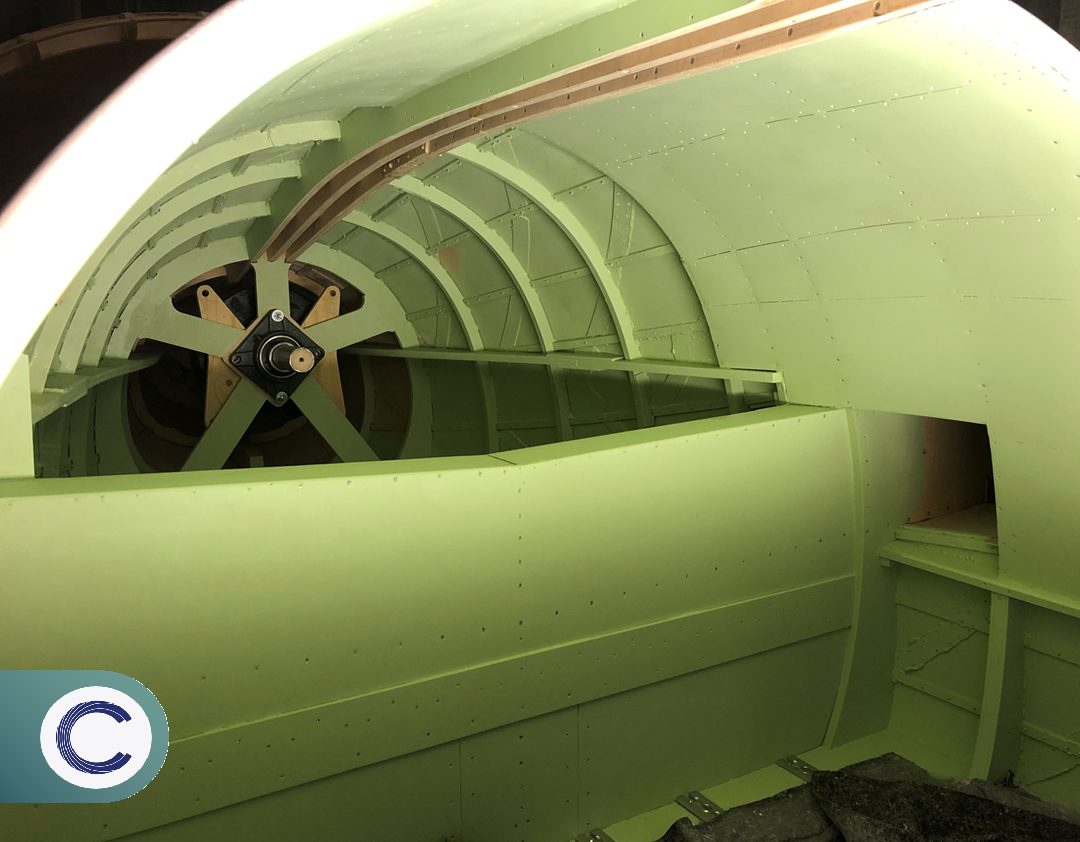
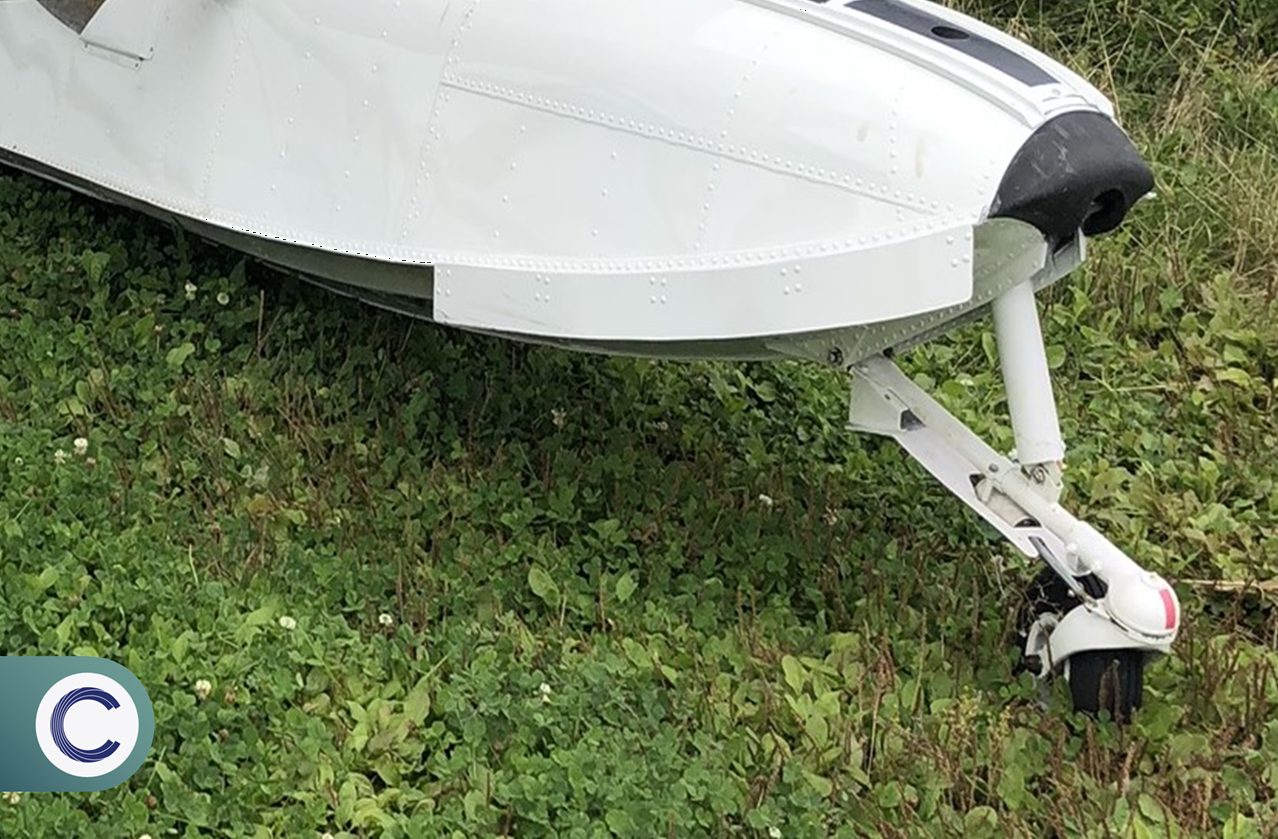
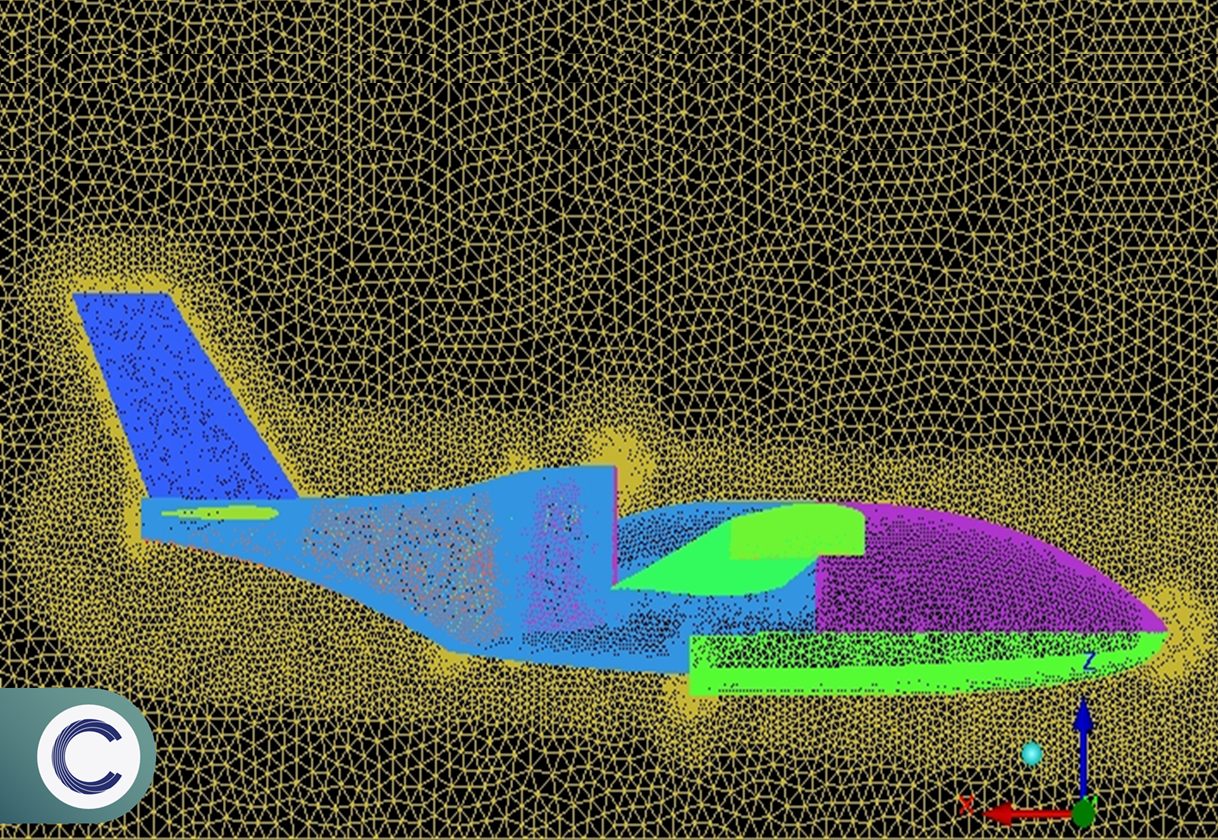
Key advantages
A powerful combination of capabilities that no other aircraft in its class can match.
Short take-off and landing capabilities on both water and land surfaces, surpassing land-based competitors of comparable size and payload capacity.
Seamlessly transitions between water and land operations. Passenger transport, cargo, medical evacuation, or surveillance — the Cormorant adapts to every mission.
The airframe is engineered to accept alternative sustainable powertrain solutions as they mature to certification, future-proofing your investment for the energy transition.
Existing certified components — fan system, cockpit, seats, controls — were considered from day one, enabling a realistic path to market in the early 2030s without regulatory risk.
Operates from existing water bodies, grass strips, and remote runways — no major infrastructure investment required by operators or destinations.
20 years of direct operator feedback translated into ranked design priorities — from maintenance cost targets to cabin space to payload flexibility. Built for the people who fly it.
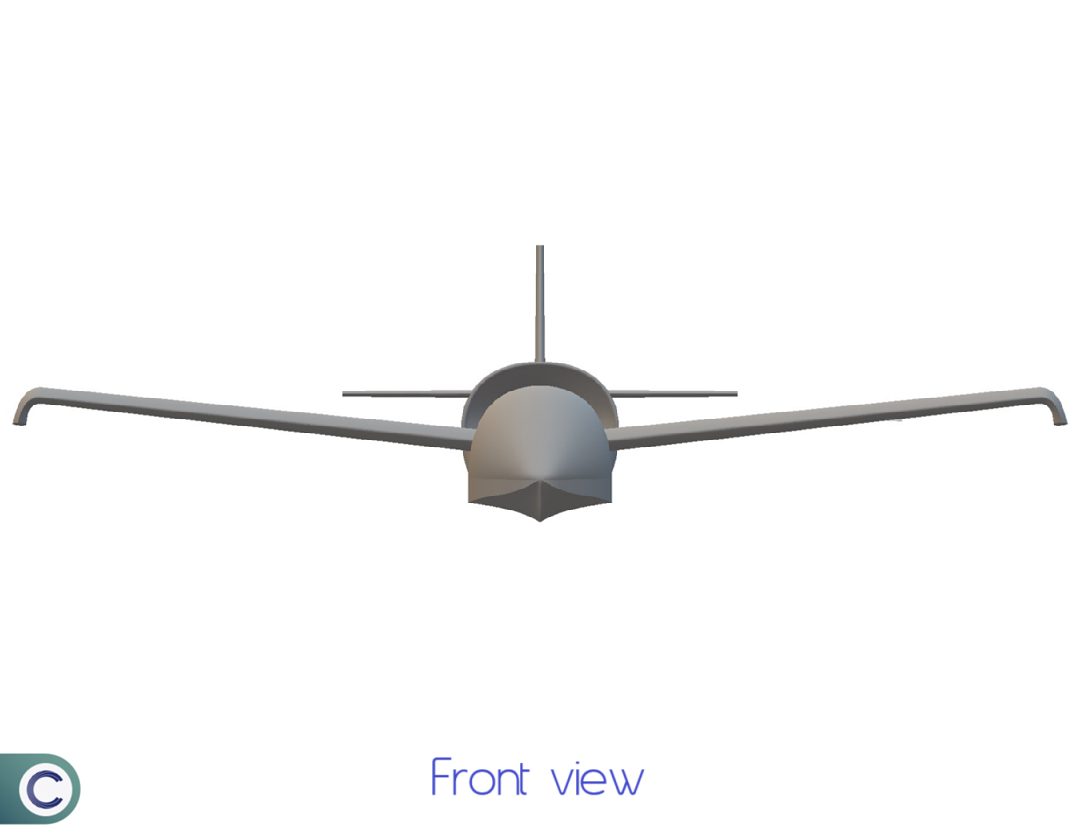
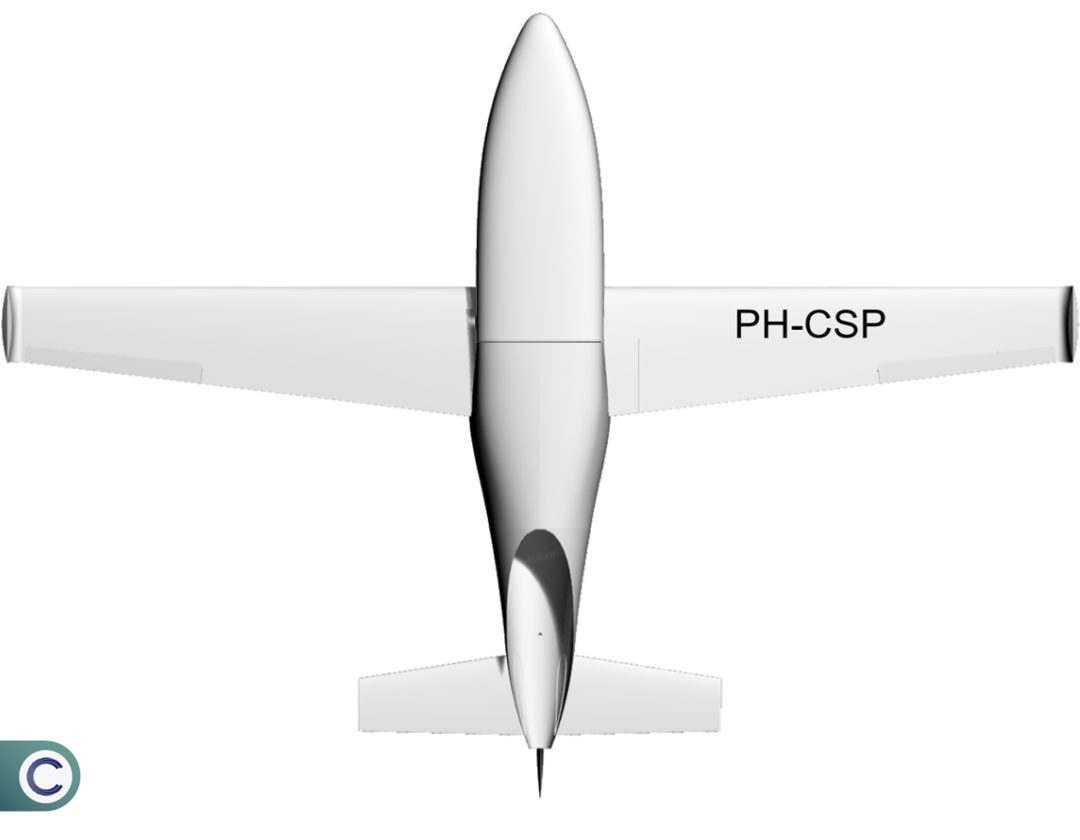
The aircraft
The Cormorant's design emerged from extensive research conducted in North American seaplane markets — the highest common denominator of real-world operator priorities translated directly into the airframe.
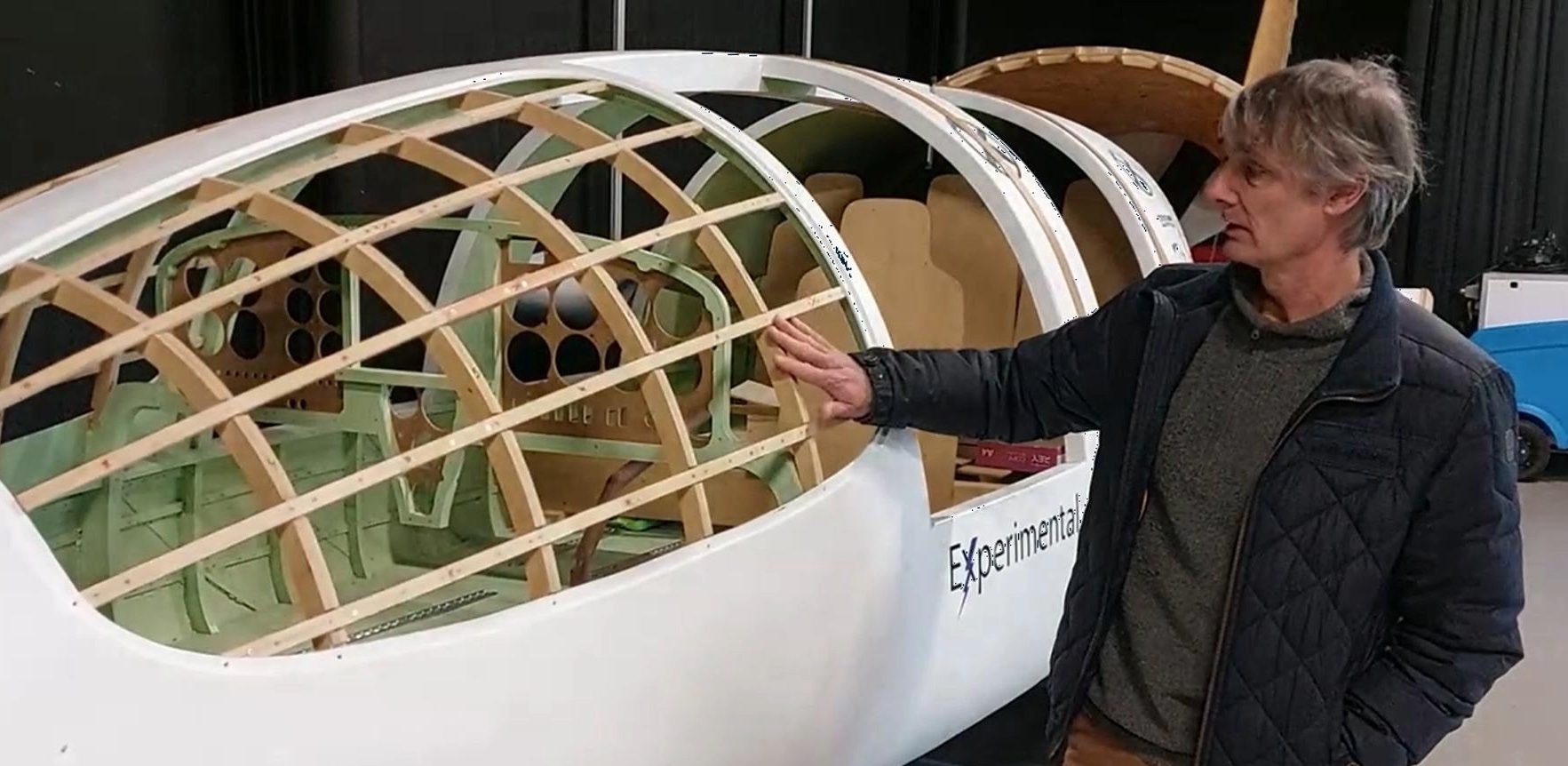
Certified components are embedded from the start: fan system, cockpit, seats, and controls all draw from existing qualified suppliers — slashing certification risk and compressing time to market.
Performance & sizing
Reference design figures for the current airframe iteration.
| Overall length | 10.78 m (35.36 ft) |
|---|---|
| Wingspan | 14.30 m (46.88 ft) |
| Height | 3.70 m (12.14 ft) |
| Fan diameter | 1.20 m (3.94 ft) |
| Empty mass (MWE) | 1,375 kg |
|---|---|
| Max take-off mass (MTOW) | 2,250 kg |
| Max payload | 875 kg |
| Fuel capacity | 255 dm³ H₂ (700 bar) |
| Maximum speed | 220 KIAS |
|---|---|
| Max operating speed (VMO) | 216 KIAS |
| Cruise speed @ 1,000 ft | 188 KIAS |
| Stall speed (VS) | 66 KIAS |
| Take-off speed (VR) | 77 KIAS |
| Approach speed (VAPP) | 74 KIAS |
| Take-off distance to 50 ft | 201 m land · 369 m water |
|---|---|
| Take-off surface roll | 160 m (land) |
| Landing distance from 50 ft | 302 m (land) |
| Rate of climb | 13 m/s (2,559 ft/min) |
| Range | 585–682 km (315–368 nm) |
| Endurance | 3h 45m |
| Max take-off thrust | 520 kW (697 shp) |
|---|---|
| Max continuous thrust | 258 kW (346 shp) |
| Economy cruise thrust | 180 kW (241 shp) |
| Fan speed | 2,770 rpm |
| Certification basis | EASA CS-23, Level III |
|---|---|
| Boat-hull attachment | < 30 minutes |
| Operations | Water, grass, unpaved runways |
Figures are indicative design-stage specifications and subject to refinement through certification testing.
Applications
Adaptability is central to the Cormorant's design — configure your aircraft to the operation, not the other way around.
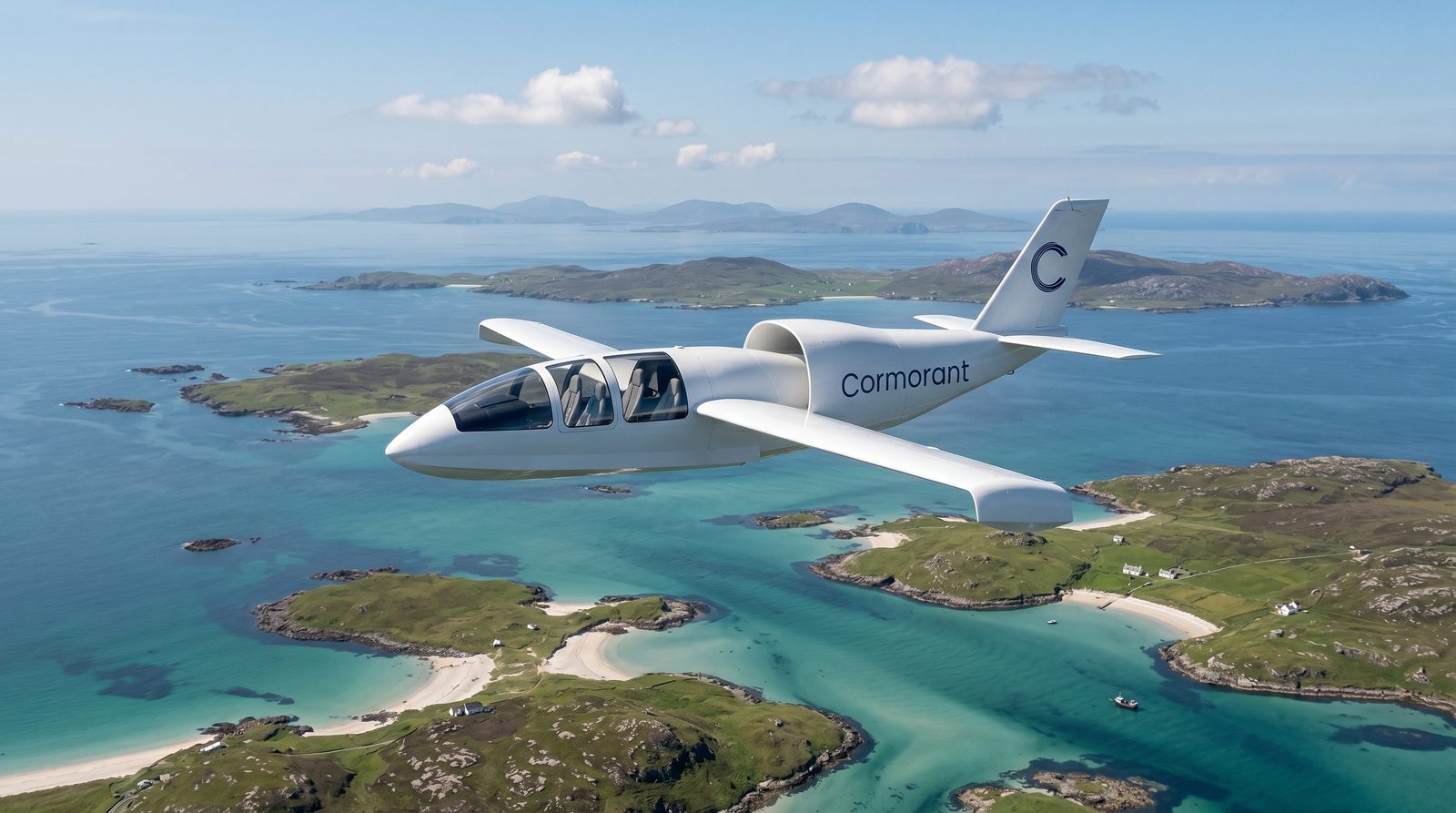
Connect remote communities and island destinations without the need for airport infrastructure.
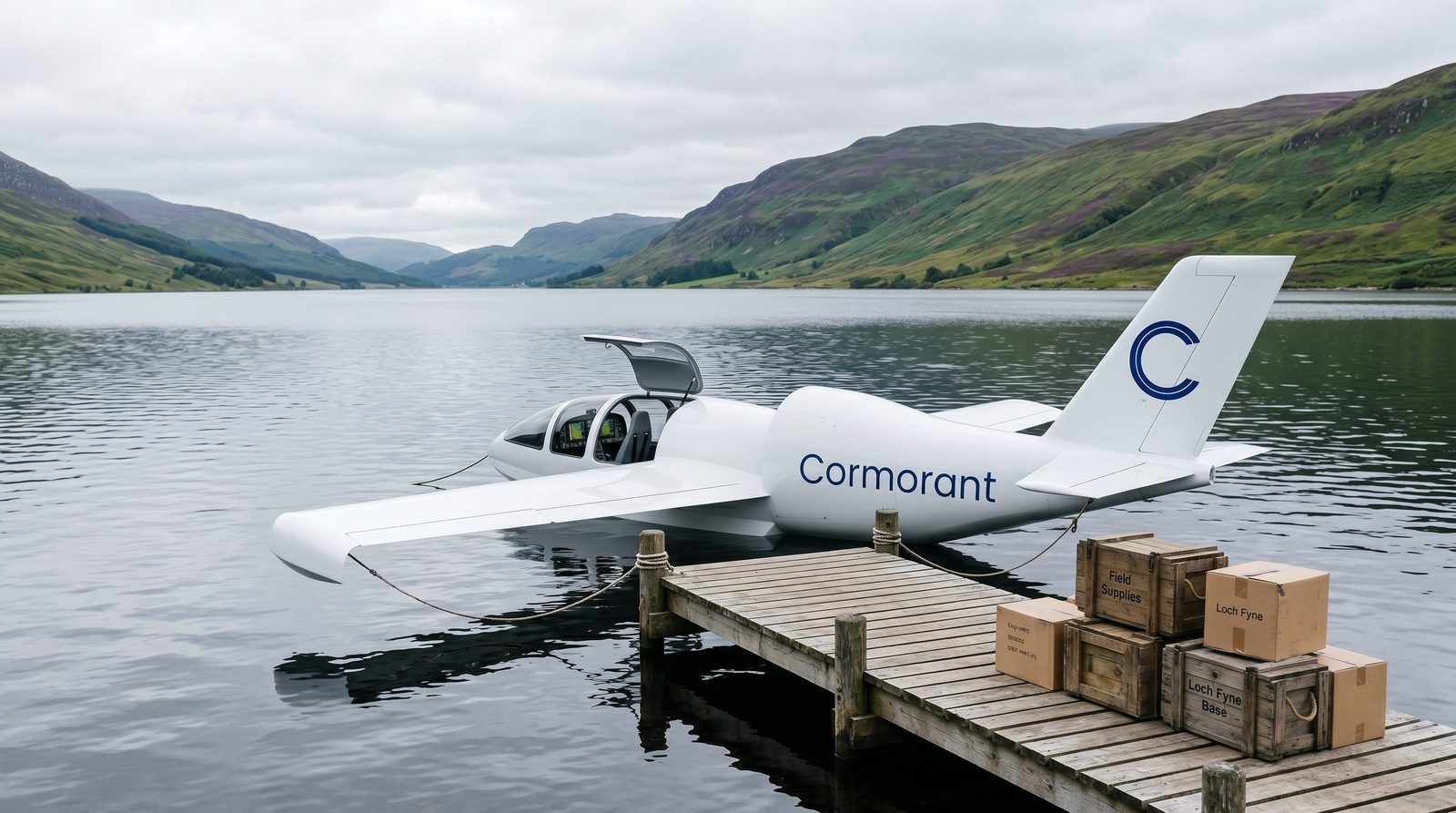
Supply missions to locations unreachable by conventional transport. Optimised payload capacity for efficient cargo operations.
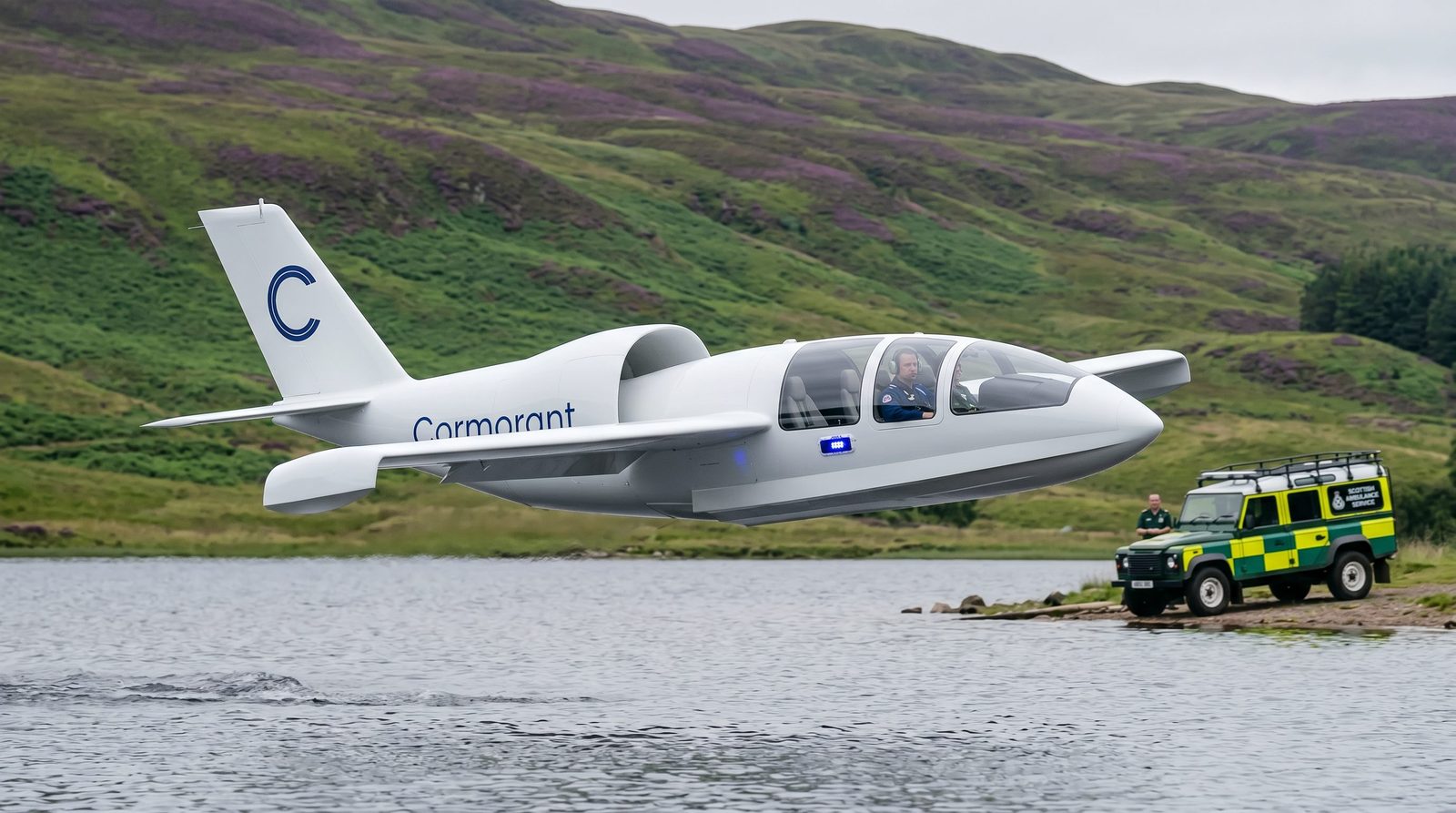
Rapid critical care transport from coastal and island locations directly to shore-side medical facilities.
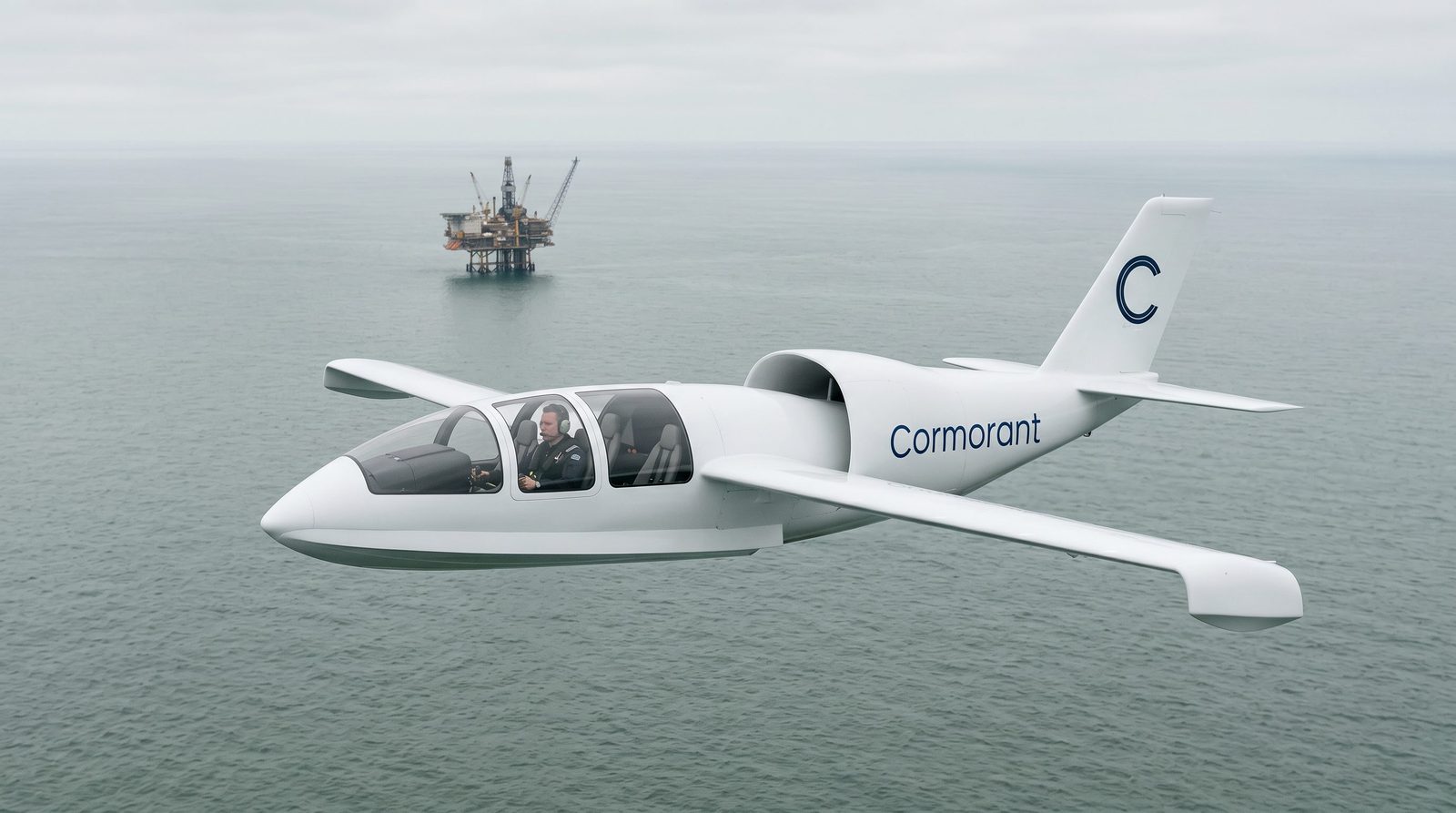
Extended endurance over water, combined with amphibious landing capability for maritime patrol and environmental monitoring.
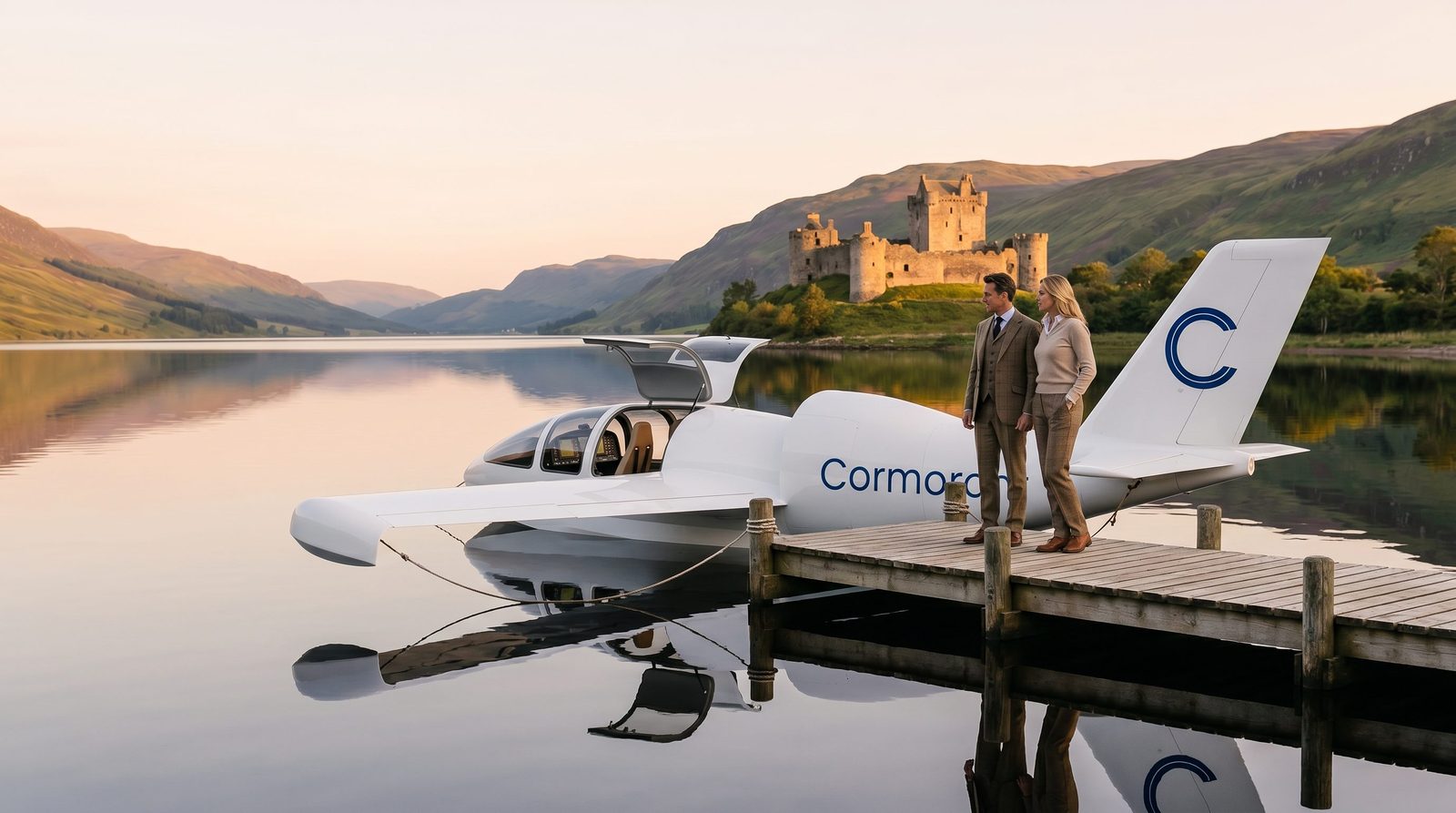
Luxury point-to-point amphibious charter — coastal resorts, private islands, and scenic waterway routes.
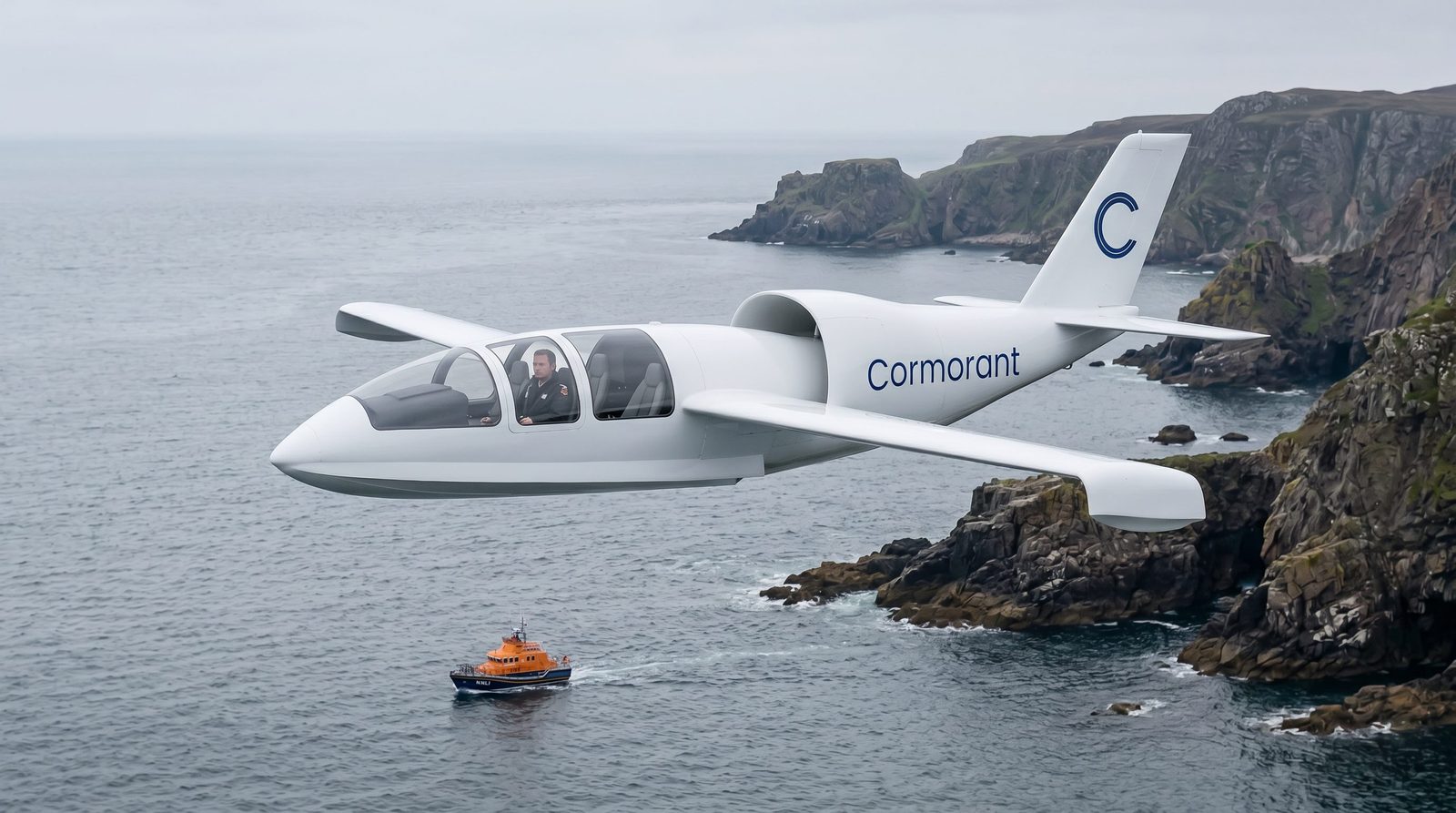
STOL capability and amphibious access make the Cormorant ideal for rapid maritime search and rescue deployments.
Cormorant in motion
The people
Decades of aviation expertise, design vision, and business development — united behind a single aircraft.

Head of Corporate Development
An MBA with a background in Strategy Development
LinkedIn ↗
Investment opportunity
The sustainable aviation market represents one of the defining infrastructure opportunities of the next decade. Cormorant offers investors access to a flight-proven concept at a critical stage of development.
With 20 years of design iteration, a clear certification strategy, and a market entry target in the early 2030s, Cormorant presents a de-risked opportunity in a sector experiencing unprecedented regulatory and economic tailwinds.
Collaboration





29 September 2025
15 April 2025
10 March 2023
Get in touch
Whether you're an innovator, developer, investor, journalist, potential buyer, or simply someone curious about our work — we'd love to hear from you.
Submissions are routed internally to our team — we don't publish direct email addresses on this page. For legally required company contact details, see Company Details.